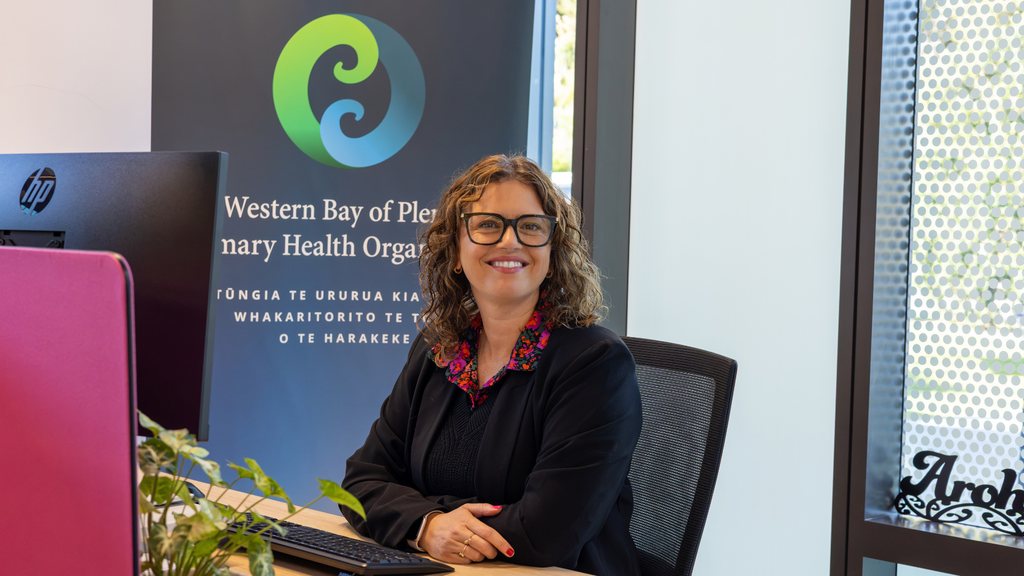
As one of three PHO chief executive negotiators in the PSAAP funding negotiations, Sarah Stevenson reflects on why local voices matter in the decisions being made about primary care, especially in an election year.
By Sarah Stevenson, WBOPPHO Chief Executive
This is a year in which a great deal that shapes general practice is being decided nationally. Funding, performance expectations and the future role of Primary Health Organisations are all on the table, and with a general election only weeks away, the decisions made now will influence primary care for years to come.
I am glad to be part of those conversations. I was recently voted by fellow PHO chief executives from around Aotearoa New Zealand to be one of three representatives leading the PSAAP negotiations for 2026/27 general practice funding, alongside colleagues from Pinnacle and Tū Ora Compass. We have now had our first hui as the new negotiating team with HNZ, and we are straight into it.
This matters for our general practice teams and for the patients and whānau they care for. It gives me the chance to take their needs directly to the negotiation table. National decisions have very real consequences at a local level, and I am entering these discussions determined that those voices are heard. I also see it as an opportunity to represent other PHOs that come from, and work for, their own communities.
That thread runs through much of this role. Whether it is a national funding negotiation, the Rural Health Strategy or the future of PHOs, my job is to make sure the realities of Bay of Plenty, including our most isolated communities on Matakana and Mōtītī Islands, are in the room when decisions are made.
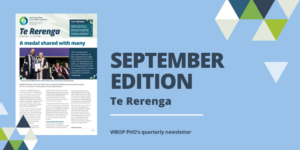
Our latest edition of Te Rerenga, out earlier this month, is a reminder of why that matters. Behind every national policy and funding decision are people, practices and whānau, and a network of local teams turning direction into care.
Thank you for the mahi you do, and for the trust that lets me carry your experience into these national spaces.