This post is the first in a series highlighting key stories from the Annual Report for 2024–2025.
One result that stood out in the Annual Report 2024-2025 was the rise in childhood immunisation across our network. More tamariki received all their vaccinations by two years of age, with coverage increasing from 77.5% to 85.1%. This is an overall increase of 7.6 percentage points.
The strongest progress was for Māori tamariki. Their immunisation rate increased from 57.3% to 78.5%, a 21.2 percentage-point rise or a 37% improvement. The equity gap reduced by more than three times. This shift reflects the effort across our network to reach whānau earlier, stay connected and remove barriers to immunisation.
Toni Macartney, Network Support Team Lead at WBOP PHO, who works closely with practices on immunisation, says the gains reflect consistent work across the sector. “Practices, outreach teams and the WBOP PHO have pulled in the same direction. Better data, earlier follow-up and stronger relationships with whānau made a real difference. These results show what happens when everyone works together for tamariki.”
“We have started to regain trust in the health system”
Behind every number is a real whānau. Here is how one family described how the right support helped them feel safe engaging with immunisation again. They had avoided the health services due to past negative experiences, especially when seeking care for their autistic son. They felt the system was not built for them and had lost trust as a result. With their consent, we are sharing their story here anonymously, slightly edited for length.
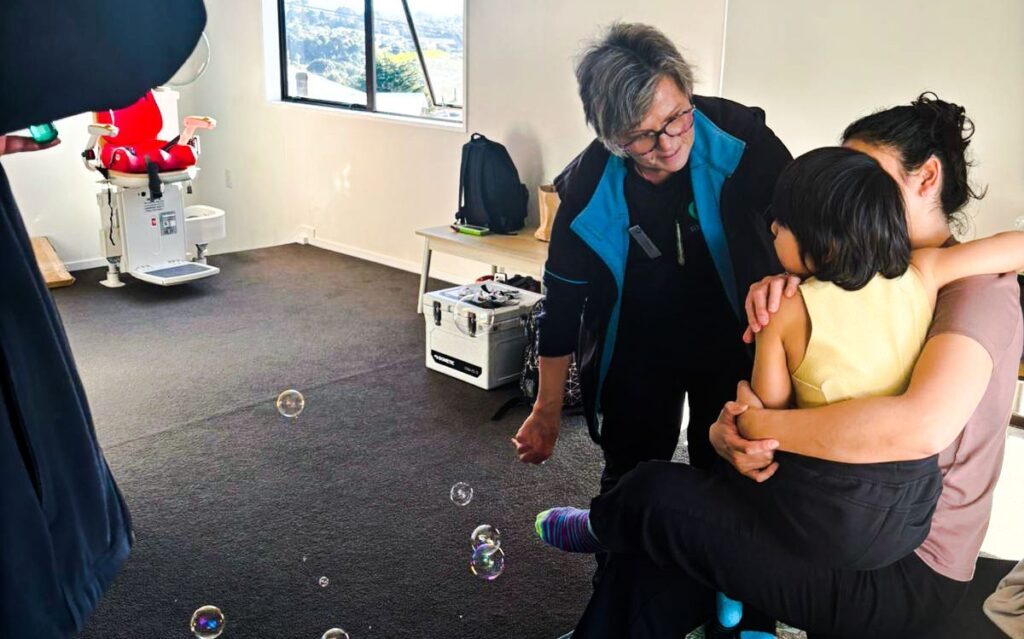
When it came to immunising our youngest son, we were initially hesitant. Our past experiences with the healthcare system had led us to avoid engaging with services whenever possible. The system had never felt like it was designed for us and as a result we had lost trust in it. But Donna Moon (WBOP PHO outreach vaccinator) changed that.
From our very first interactions with her, Donna took the time to sit with us, to explain things in a way that respected our whakaaro (thoughts), and to engage both myself and pēpi’s Pāpā, who held strong views on immunisation. This made us feel heard and valued. What made the biggest difference for us was that she always came into our home with an open heart.
She understood our autistic son, she respected the dynamics of our whare and she recognised the importance of te reo Māori in our home. She made a conscious effort to use kupu Māori with our tamariki, celebrating them with little kīwaha after their immunisations were done. These may seem like small gestures, but they meant everything to us.
It is people like Donna who transform the system, who take something that was never built for whānau like ours and make it work for us. Because of her we have started to regain trust in the health system in small ways, but those small things matter deeply. Building trust with Māori whānau is not about policy alone. It is about the relationships, the respect and the recognition of who we are as tangata whenua.
Key actions behind the outcomes
- Re-established cross-sector partnerships between WBOP PHO, public health teams and outreach providers.
- Enhanced data systems and the Childhood Immunisation Dashboard to help practices monitor progress, identify tamariki needing follow-up and better track equity gaps in real time.
- Introduced Immunisation Champions in practices to strengthen accountability and leadership for timely whānau engagement.
- Embedded a whānau-centred, culturally grounded approach into tools, such as Piwari Kaitiaki resources and Ramarataka calendars, to promote trust and respectful engagement.
- WBOP PHO Outreach Immunisation Service managed high referral volumes by prioritising equity and addressing barriers to immunisation.