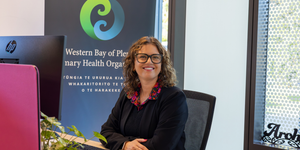
The Western Bay of Plenty Primary Health Organisation (WBOPPHO) submitted a formal opposition to the proposed Principles of the Treaty of Waitangi Bill. The WBOPPHO, which plays a key role in the region’s healthcare services, asserts that Te Tiriti o Waitangi is a living framework that continues to guide the healthcare system, through advocating for equity, inclusion, and respect.
WBOPPHO strongly believes that the principles of Te Tiriti o Waitangi are not merely historical documents, but an active part of New Zealand’s healthcare framework. The organisation’s commitment to the Treaty is reflected in its own values, including equity, manaakitanga (caring for others), mana motuhake (empowerment), whanaungatanga (belonging), and whai ihi (passion and expertise). These values underpin the WBOPPHOs work in the community, focusing on ensuring that different communities are treated fairly and that healthcare disparities are addressed.
The WBOPPHO has expressed deep concerns over the proposed Bill, which it argues fails to meaningfully reflect the original agreement made in Te Tiriti o Waitangi. They are particularly worried that the Bill’s principles could significantly alter the legal interpretation and effect of Te Tiriti, potentially diluting its role in shaping future policies and legislation.
Fundamental to addressing health inequities
In their submission, WBOPPHO highlights the lack of meaningful consultation with tangata whenua (Māori) in the development of the Bill. They stress that the voice of tangata whenua, as Treaty partners, is essential in any decision-making regarding the future of Te Tiriti o Waitangi. The absence of consultation undermines the principle of partnership, a key component of the Treaty relationship.
The WBOPPHO reinforces that Te Tiriti o Waitangi is fundamental to addressing health inequities, and addressing inequities is not just a matter of policy—it is a moral obligation. The potential weakening of Te Tiriti o Waitangi through the Bill could harm progress made in reducing healthcare inequities in Aotearoa New Zealand, and the organisation calls on lawmakers to listen to the voices of tangata whenua, ensure proper consultation, and reconsider any proposals that could undermine the integrity of the foundational document of our country.